Lessons in Sustained Excellence
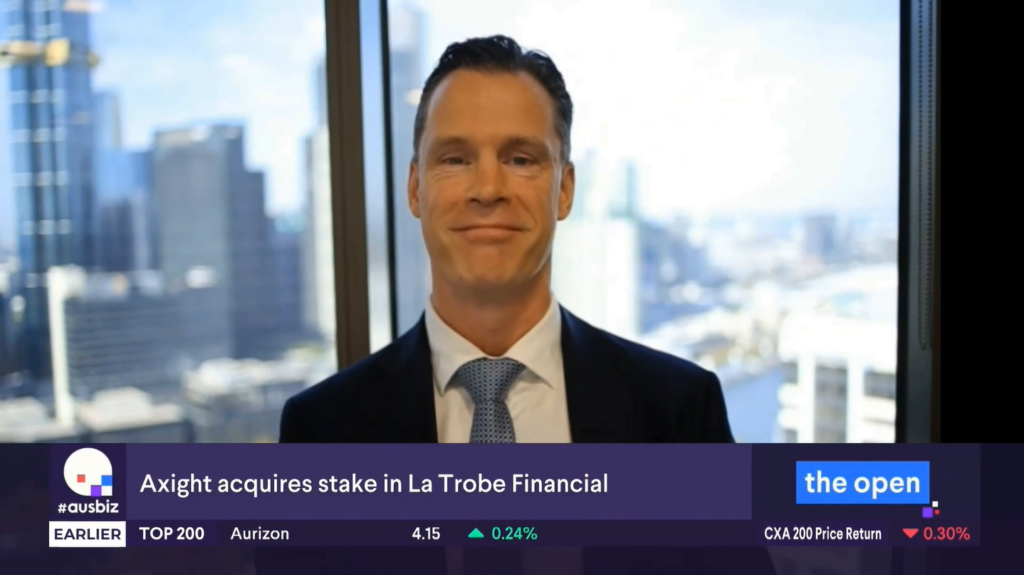
The day‑to‑day lives of Darcy Moore, Captain of the Collingwood Football Club, and Chris Andrews, Chief Executive Officer of La Trobe Financial, could hardly be more different.
Yet when the two leaders sat down to discuss what it takes to sustain excellence, their core messages were strikingly aligned.
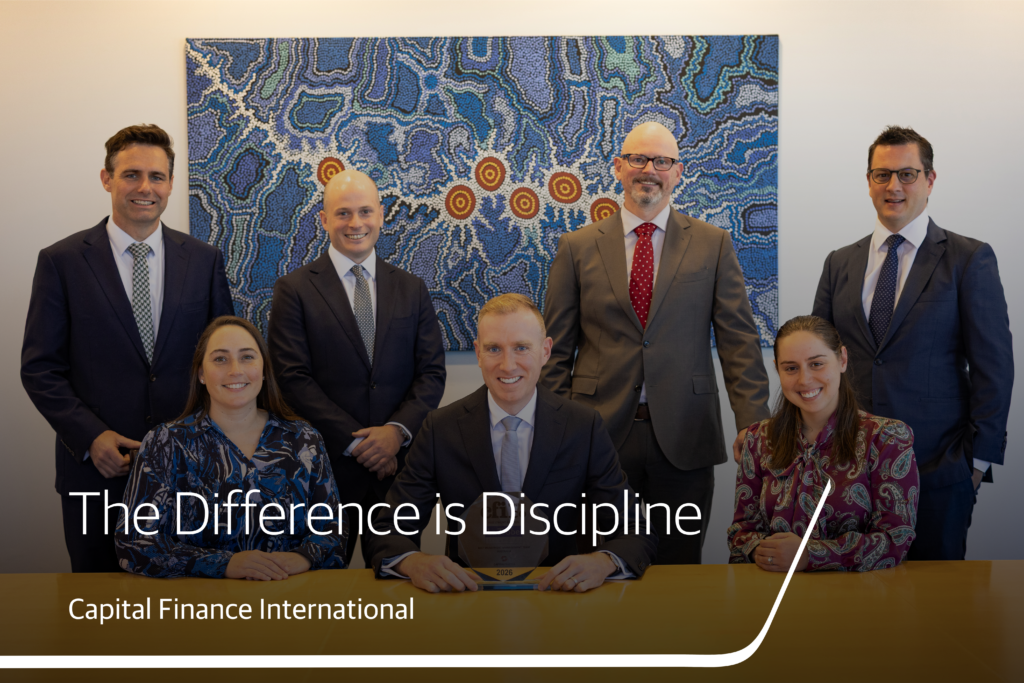
That alignment sat at the heart of La Trobe Financial’s 2026 Excellence Forum, where leaders from elite sport and investment management explored how performance is built, protected and sustained – particularly through uncertainty, disruption and inevitable setbacks.
While the settings may appear worlds apart, the lessons shared throughout the forum revealed a consistent truth: enduring success is built on disciplined habits, clarity of purpose and a relentless focus on people.
The Edge Is Built Before Pressure Arrives
One of the most practical insights from the forum was also one of the simplest: performance under pressure is determined long before pressure appears.
Chris Andrews framed crisis not as an unexpected event, but as a test of preparation. Organisations do not improvise their way through volatility; they fall back on the habits, systems and behaviours they have already embedded.
“You’ve won or lost the crisis long before you even know what the crisis is,” Andrews observed.
Rather than directing from the centre when pressure hits, Andrews emphasised the importance of teams that understand their roles, have rehearsed scenarios and trust one another to act decisively. Calm execution, he argued, is the product of preparation – not command.
Darcy Moore described a near‑identical dynamic in elite sport. Collingwood’s ability to absorb sustained pressure during games is not the result of on‑the‑spot problem solving, but of shared experience, deep preparation and disciplined review.
When things become chaotic, Moore explained, the team does not search for answers. It relies on a well‑rehearsed system and a culture that encourages honest debriefs – including acknowledging moments where emotion or decision‑making faltered, and learning from them collectively.
In both environments, the message was clear: resilience is not reactive. It is trained.
Process Over Outcome: The Discipline of Daily Habits
Across both sport and investment management, one principle emerged repeatedly: outcomes follow process – not the other way around.
Craig McRae, Senior Coach of Collingwood, was unequivocal. Winning, he said, is an outcome of behaviour, preparation and discipline. Teams that obsess over results often lose sight of the very habits that produced them.
That philosophy was echoed by Moore, who described elite longevity as the ability to remain level, stay curious and commit to daily habits regardless of external noise – whether positive or negative.
At La Trobe Financial, this mindset translates directly into investment discipline. The implication for long‑term investors is clear: consistent outcomes are rarely accidental. They emerge from repeatable processes, rigorous preparation and the confidence to act decisively when conditions are least comfortable.
Alignment, Accountability and Marginal Gains
Sustaining an edge also requires alignment – across leadership, strategy and execution.
Craig Kelly, Chief Executive Officer of the Collingwood Football Club, highlighted that accountability is unavoidable in elite environments. Performance is measured, decisions are scrutinised and difficult conversations are part of the role. What matters is that those conversations are grounded in preparation, honesty and respect.
The panel also explored the concept of marginal gains – small, disciplined improvements that compound over time. While data, analytics and technology play an increasingly important role in performance, leaders cautioned against losing sight of fundamentals.
As Barry Carp, President of the Collingwood Football Club, noted, trust and relationships cannot be automated or outsourced. They must be built deliberately, day by day.
For investors, this balance is critical. Innovation matters – but only when it strengthens decision‑making and reinforces purpose, rather than distracting from it.
Purpose as a Source of Resilience
Across both business and sport, one theme remained constant: clarity of purpose is non‑negotiable.
At La Trobe Financial, Andrews described purpose as the anchor that allows teams to endure uncertainty and maintain focus. When markets are volatile or challenges feel existential, purpose provides the context that keeps effort aligned and meaningful.
That same principle resonated throughout the forum. Whether stewarding investors’ capital or leading an elite sporting organisation, leaders agreed that people perform best when they understand why their work matters – not just what short‑term success looks like.
Organisations with a clearly articulated and genuinely lived “why” are better positioned to navigate complexity without compromising standards or long‑term outcomes.
Why Culture Compounds
If purpose sets direction, people determine whether it is achievable.
Carp spoke about trust as the currency that sustains performance – trust between leaders and teams, organisations and stakeholders, clubs and members. Without it, standards inevitably erode.
At La Trobe Financial, this philosophy is reinforced through daily rituals that signal respect, accountability and expected behaviour – particularly when pressure rises.
Across the panel, leaders stressed that high‑performance cultures are not built on fear or hierarchy, but on psychological safety. Teams must feel empowered to challenge decisions, raise concerns and learn from mistakes without lowering standards.
Culture compounds over time. Organisations that consistently invest in talent, alignment and trust are better equipped to make disciplined decisions through cycles – rather than reactive ones driven by noise.
Sustaining the Edge
The Excellence Forum offered no shortcuts, and no illusion of constant momentum. Instead, it reinforced a more enduring truth: sustaining success is harder than achieving it – and far more meaningful.
Long‑term outcomes are shaped by organisations that remain anchored to purpose, invest in people, execute disciplined processes and maintain humility in the face of success.
That is how the edge is built – and how responsibility to investors is honoured over time.